
Beer and desserts
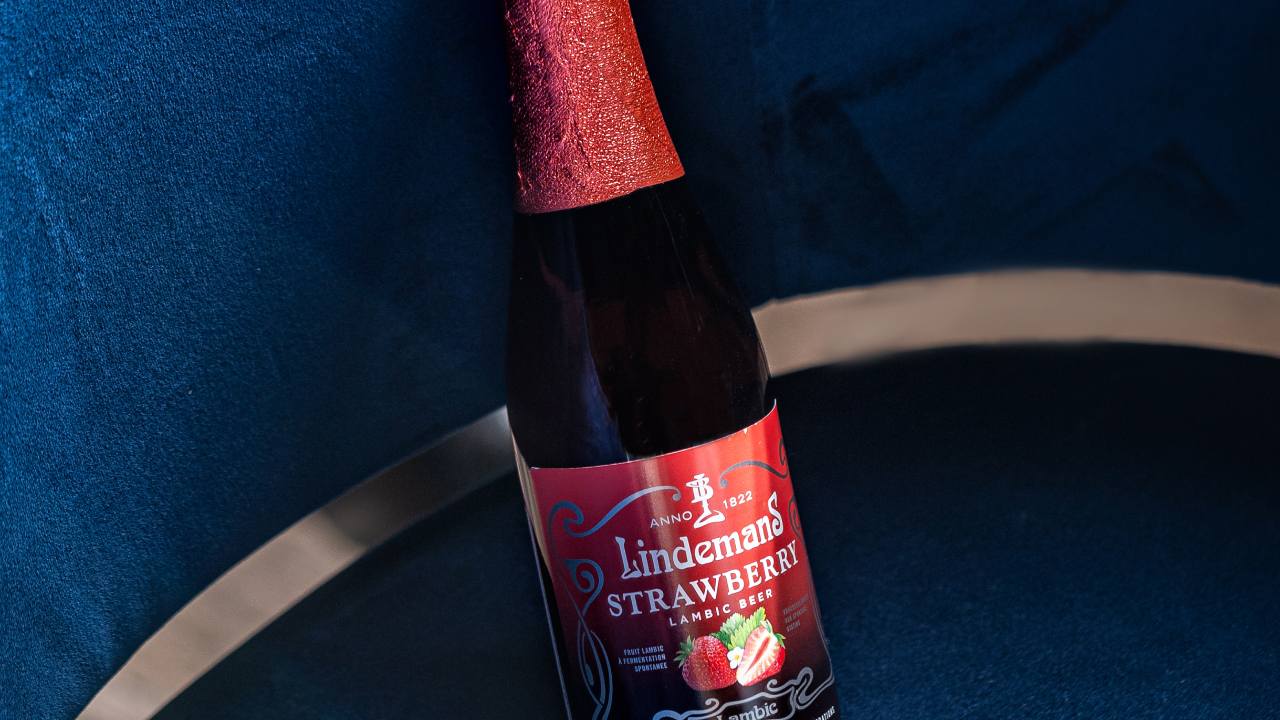
There is a stereotype that beer is a drink for salty snacks, smoked meats, and fatty foods. However, this is only partly true. Beer, with its incredible variety of styles, textures, and flavors, can be the perfect accompaniment to desserts. The right combination can enhance the taste of both the dish and the drink itself. Let’s take a look at how to drink beer with sweet foods and which combinations work best.
The basic rule
Dessert and beer should not compete with each other, but should either complement each other or create a pleasant contrast. Fatty, sweet dishes should be paired with fairly strong, intense beer. Desserts with berries or fruit are an excellent accompaniment to sweet beer with fruity notes. These can be not only juice-based varieties, but also, for example, wheat ales with notes of banana and citrus.
For creamy, vanilla-based desserts, such as panna cotta, denser, malty styles of beer are the perfect accompaniment. English porters, mild stouts, and creamy ales have a caramel, nutty, or even slightly chocolatey sweetness that does not conflict with milk fats but envelops them, making the taste more rounded and deep.
Chocolate, especially dark chocolate, pairs best with dark ales: imperial stout or porter. The bitter aftertaste of dark beer nicely offsets the sweetness.
Lambic, a traditional Belgian spontaneously fermented beer, occupies a special place in the world of beer and is ideal for desserts. Its dry, often very complex flavor makes it an ideal pairing for many sweet dishes.
What to drink with Lambic desserts
Our menu features several wonderful desserts that can serve as a full-fledged appetizer to accompany beer. Let us tell you what to pair them with.
Pistachio roll with raspberries
This dessert combines nutty depth, the sweetness of creamy custard, the bright acidity of raspberries, and the freshness of mint. You need a beer that will support the nutty and berry notes, but also balance the creamy texture.
We recommend a cherry lambic or Belgian fruit ale. Cherry lambic, with its sour profile and almond notes in the aftertaste, will perfectly complement the pistachio, harmonize well with the raspberries, and refresh the palate after the rich cream. An alternative is a less sour Belgian raspberry or cherry ale, which will enhance the berry flavor of the dessert.
Gelato and sorbet
The most important thing here is the purity of the fruit or cream flavor and the cold texture. The beer should be refreshing, with a bright aroma and good carbonation, so that it does not seem «flat» against the ice cream.
A sour ale, such as a gose, is ideal for fruit sorbet. Its salty-sour taste will contrast well with the ice cream and emphasize its fruitiness. Creamy gelato is best served with a wheat ale, which will help to delicately highlight the vanilla.
Brownies with salted caramel and ice cream
This dessert offers a variety of flavors and textures: the bitterness of chocolate, the sweetness of caramel, and the coolness of ice cream. The beer should be just as powerful to cut through this palette.
An interesting choice would be to serve an imperial stout. This drink, with its notes of roasted coffee, dark chocolate, and caramel, will be a harmonious complement to the brownies.
Belgian waffle with strawberries, ice cream, and hot chocolate
This dessert has many layers: a light waffle, sweet berries, cold ice cream, and thick chocolate sauce. It needs to be paired with a beer that will cleanse the palate and enhance the complexity of the flavors.
We recommend Belgian dubbel. This variety, with its aroma of dark dried fruits, caramel malt, and light spice, will perfectly complement both the waffle and the chocolate sauce.
Tiramisu kataifi with homemade nut liqueur
This dessert is a more complex version of the classic: crispy kataifi pastry, coffee, delicate mascarpone cream, berries, and nutty and alcoholic notes of syrup and whiskey. You need a beer that will go well with coffee and nuts without overpowering the cream.
An imperial stout is perfect here. A drink with roasted notes and coffee tones will enhance the chocolate and coffee character of the dish.
When choosing desserts to accompany beer, follow the general principle: complex with complex, and vice versa. For example, if you don’t know what to pair with a sweet beer, serve it with your favorite fruits or berries. In turn, drinks with a more multifaceted flavor will be a good match for equally exquisite desserts.
And if you don’t want to choose for yourself, just come to Lambic. Our menu features hundreds of varieties of beer, and we will be happy to recommend the perfect accompaniment. We also offer a cozy atmosphere and excellent service. We look forward to seeing you!


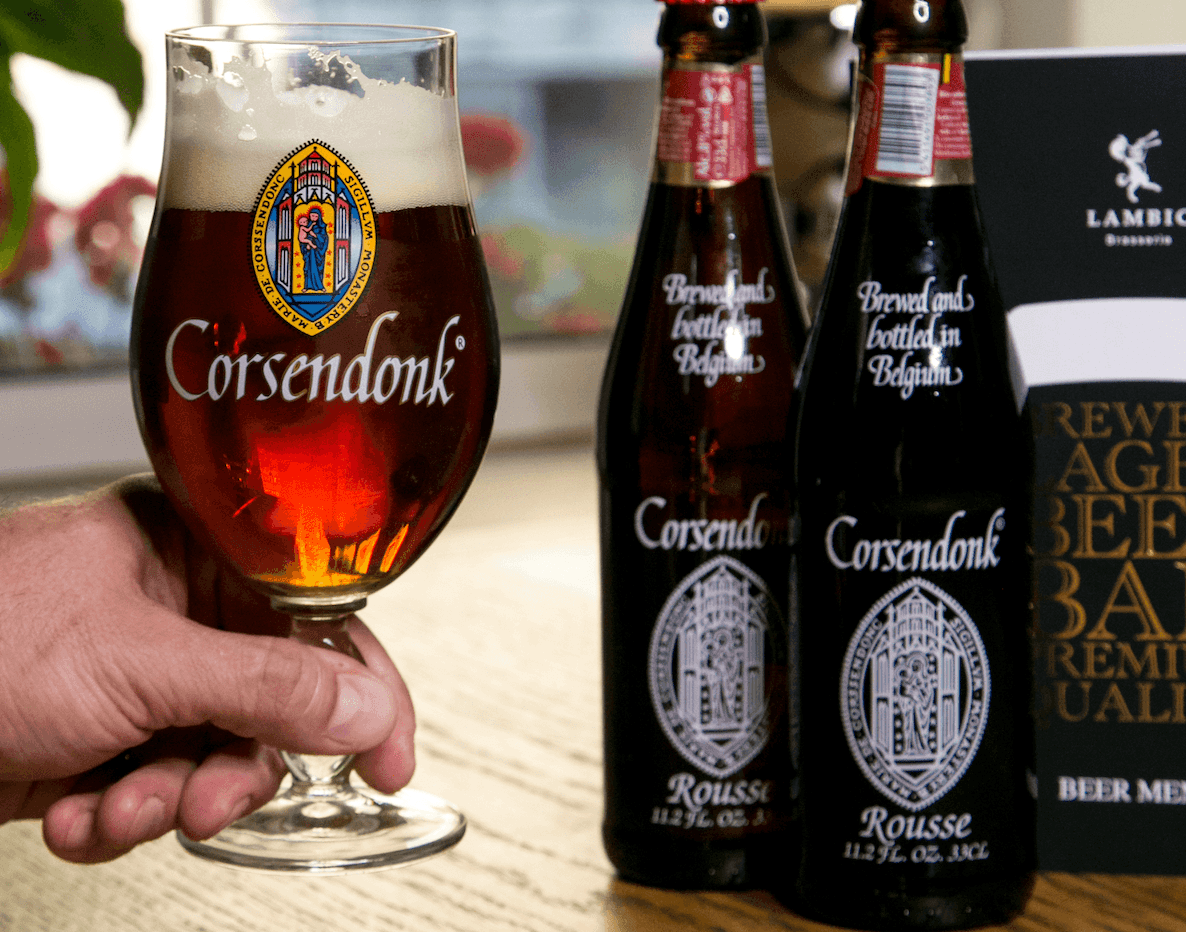
Corsendonk Blanche Beer: Belgian Classic with a Spicy Character
Contents From a Monastery Brewery to a Belgian Classic Taste Profile and Food Pairings Visit Lambic Corsendonk Blanche — a classic Belgian witbier that brings together everything people love about the style: lightness, fruity freshness, spice and a subtle hint of bitterness. Yet behind its light character lies a history spanning several centuries. Let’s explore where this beer came from, what makes it different from other wheat beers, and which dishes best bring out its flavour. From a Monastery Brewery to a Belgian Classic The history of the Corsendonk brewery dates back to the late 14th century. In 1398, the Corsendonk Augustinian Priory was founded in Oud-Turnhout, Belgium. Like many monasteries of the time, it had its own brewery and malt house, where beer was brewed for the community and its guests. This tradition continued for several centuries, until the monastery was closed in 1784 by order of Emperor Joseph II. The brewery ceased operations along with it. In 1906, Henricus Keersmaekers founded a new brewery while preserving the monastic brewing traditions. Half a century later, it was closed once again, this time for nearly three decades. A new chapter in the brand’s history began in 1982, when the historic Corsendonk name reappeared on beer labels. This marked the continuation of an age-old monastic tradition within modern Belgian beer culture. Today, the Corsendonk brand produces several beer varieties, including its world-famous witbier. Taste Profile and Food Pairings Corsendonk Blanche is an unfiltered Belgian white beer with an alcohol content of 4.8%. It has the characteristic pale colour of the style, with a natural cloudy appearance. Its bitterness is quite mild, so the hops are barely noticeable on the palate. The aroma features distinct notes of orange and coriander. These are complemented by soft malty notes and a gentle spiciness on the palate. The result is a fresh, rounded and delicate beer, making it an ideal choice for a summer evening or a relaxing break. Corsendonk Blanche is one of the best choices for discovering Belgian wheat beer. It is light, refreshing and full of character, with almost no bitterness, making it an excellent option even for those who prefer the mildest beer styles. The fresh citrus and spice profile of Corsendonk Blanche pairs particularly well with light dishes such as fish and seafood, salads, vegetables, poultry and mild cheeses. Visit Lambic Visit Lambic beer restaurants and discover Belgian classics for yourself. We’ll serve Corsendonk Blanche just as it should be and help you choose a dish that brings out its fresh, fruity and spicy character. We look forward to welcoming you!
19 November 2026
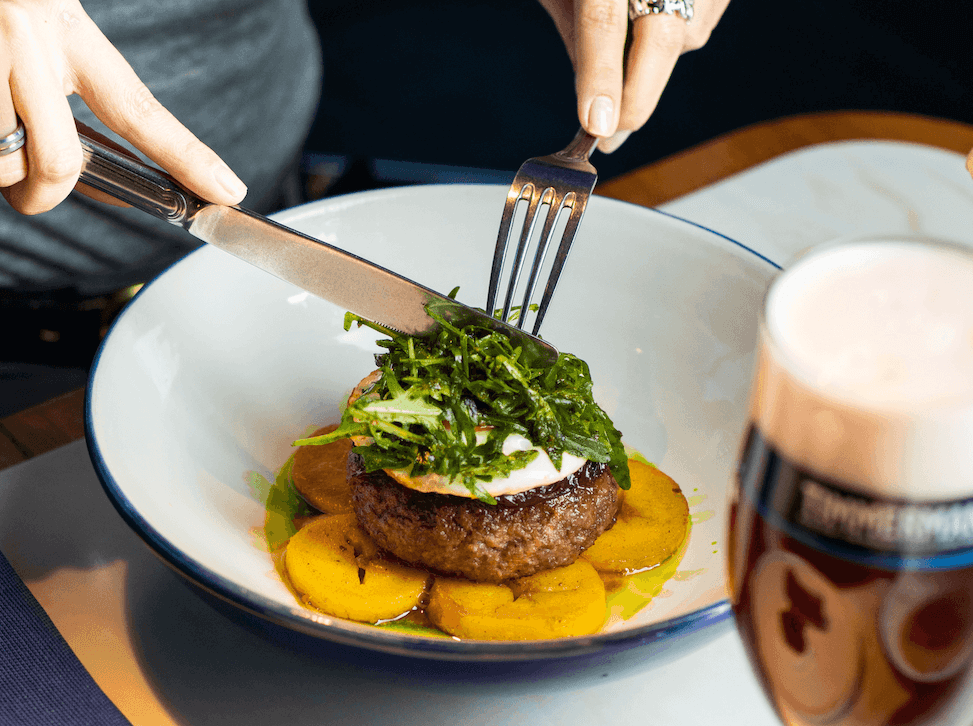
Beer and Grilled Food: How to Choose the Right Beer for Meat, Poultry, Fish and Vegetables
Contents Why grilled dishes pair well with beer Beer with meat and steaks What to choose for poultry and fish Beer with grilled vegetables How to choose a beer style based on the sauce and the intensity of the dish Visit Lambic Grilled dishes can be very different: from juicy ribeye steaks and spicy sausages to salmon, tuna, and vegetables. That is why there is no single beer style that pairs perfectly with every grilled dish. When choosing a beer, consider the fat content of the food, the intensity of its flavor, the degree of charring, and the spices and sauces used. The basic pairing principle is simple: the more intense the dish, the more expressive the beer should be. Light lagers, blonde ales, and wheat beers go well with fish and poultry that have delicate flavors, while amber and dark ales, IPAs, and stouts are better suited to beef, meat with a pronounced crust, and rich sauces. Why grilled dishes pair well with beer Grilling creates a distinctive browned crust on food, while the dish itself develops subtle smoky and caramel notes. Similar flavors — bready, nutty, caramel, and sometimes coffee and chocolate — can be found in beer thanks to the malt used in brewing. As a result, the flavors of the drink and the food naturally complement each other. There is another principle at work: contrast. Beer helps refresh your palate after fatty meat or a creamy sauce. Hop bitterness can balance richness, while the mild acidity of wheat beers and some Belgian styles works particularly well with fish, vegetables, and dishes with citrus notes. When choosing a pairing, consider four characteristics: the intensity of the dish, its fat content, the degree of charring, and the sauce. Beer with meat and steaks Grilled meat has a rich flavor, especially when it comes to ribeye, striploin, or New York strip steaks. A light, neutral lager can get lost alongside such meat, so it is better to choose a beer with a pronounced malt or hop profile. Here are some versatile recommendations for choosing the right beer to pair with steak: — Ribeye. IPA or pale ale balances the fat content and brings out the flavor of the seared crust. For steaks with pronounced smoky notes, try a stout or porter. — Lean steaks. Leaner cuts are best paired with a blonde ale or a moderately hopped pale ale, so the beer does not overpower the flavor of the meat. — Sausages and spicy meat. An amber ale is a versatile choice. Smoked sausages also pair well with dubbel, brune, or dark lager. With very spicy dishes, it is best to avoid an excessively bitter IPA, as it may intensify the heat. However, those who enjoy experimenting may find this combination appealing. What to choose for poultry and fish Poultry and most seafood have milder flavors than beef, so an overly rich dark beer can overpower the dish. Here are the beers we recommend pairing with fish and poultry: — Chicken and turkey. For poultry served without a rich sauce, choose a lager, pilsner, blonde ale, or blanche. These styles have a fresh flavor that does not compete with the delicate meat. If the chicken or turkey has been grilled to a pronounced golden-brown crust, an amber ale is a better choice — its malty notes will complement the flavor of the browned meat. — White fish. Sea bass, gilthead bream, and other white fish pair best with pilsner, light lager, blanche, or Belgian blonde. Wheat beers are particularly good at bringing out the flavor of fish served with lemon, herbs, vegetables, or aromatic seasonings. — Salmon and tuna. Grilled salmon can be served with a blonde ale, amber ale, or moderately hopped pale ale. Tuna has a density and texture closer to meat, especially when quickly seared on the outside while remaining juicy inside. So, in addition to light Belgian styles, you can pair it with a pale ale or a less aggressive IPA. Beer with grilled vegetables Lager, pilsner, blanche, and blonde ale pair well with zucchini, broccoli, cauliflower, peppers, and other relatively light vegetables. These styles preserve a sense of freshness without overpowering the flavor of the dish. Eggplant, mushrooms, and well-charred corn have a richer flavor. For these, try an amber ale or Belgian brune. The beer’s malty and caramel notes will complement the vegetables’ bold, slightly sweet, and smoky flavors. If the vegetables are prepared with plenty of spices, garlic, or aromatic herbs, try a pale ale or an IPA with moderate bitterness. For vegetables served with sweet chili sauce, a softer, maltier beer is a better choice: overly intense bitterness can make the sauce taste even spicier. How to choose a beer style based on the sauce and the intensity of the dish One common mistake is choosing beer based only on the main ingredient. A steak seasoned with salt and pepper and the same steak served with a creamy cheese sauce are completely different in flavor, and they call for different beers too. Flavor of the dish or sauce Beer styles to try Creamy, mushroom Blonde ale, amber ale, brune Peppery Amber ale, pale ale, moderate IPA Greens, herbs Pilsner, blonde ale, pale ale, IPA Barbecue, caramel and smoky notes Amber ale, dubbel, brune Teriyaki Blonde ale, amber ale Sweet chili Blanche, blonde ale, amber ale Mustard Lager, pilsner, amber ale Lemon, citrus sauces Blanche, witbier, pilsner Rich cheese sauce Tripel, amber ale, brune There is one more important rule: the intensity of the dish and the beer should match. Light dishes call for light beers, while richer dishes need something more expressive. For example, sea bass with vegetables is better complemented by a light lager or blanche than by a full-bodied stout. Ribeye with a pronounced crust, on the other hand, can be served with a dark ale or IPA. If the meat comes with a pepper, mushroom, or cheese sauce, choose a more complex beer. And if you would rather not spend time figuring out which grilled dishes to order with your beer, simply visit the Lambic beer restaurant. Our menu features a wide variety of interesting dishes, while our beer list includes hundreds of labels from around the world. We are sure to find the perfect food and beer pairing for you, so you can enjoy every moment!
19 November 2026