
How to pour beer properly
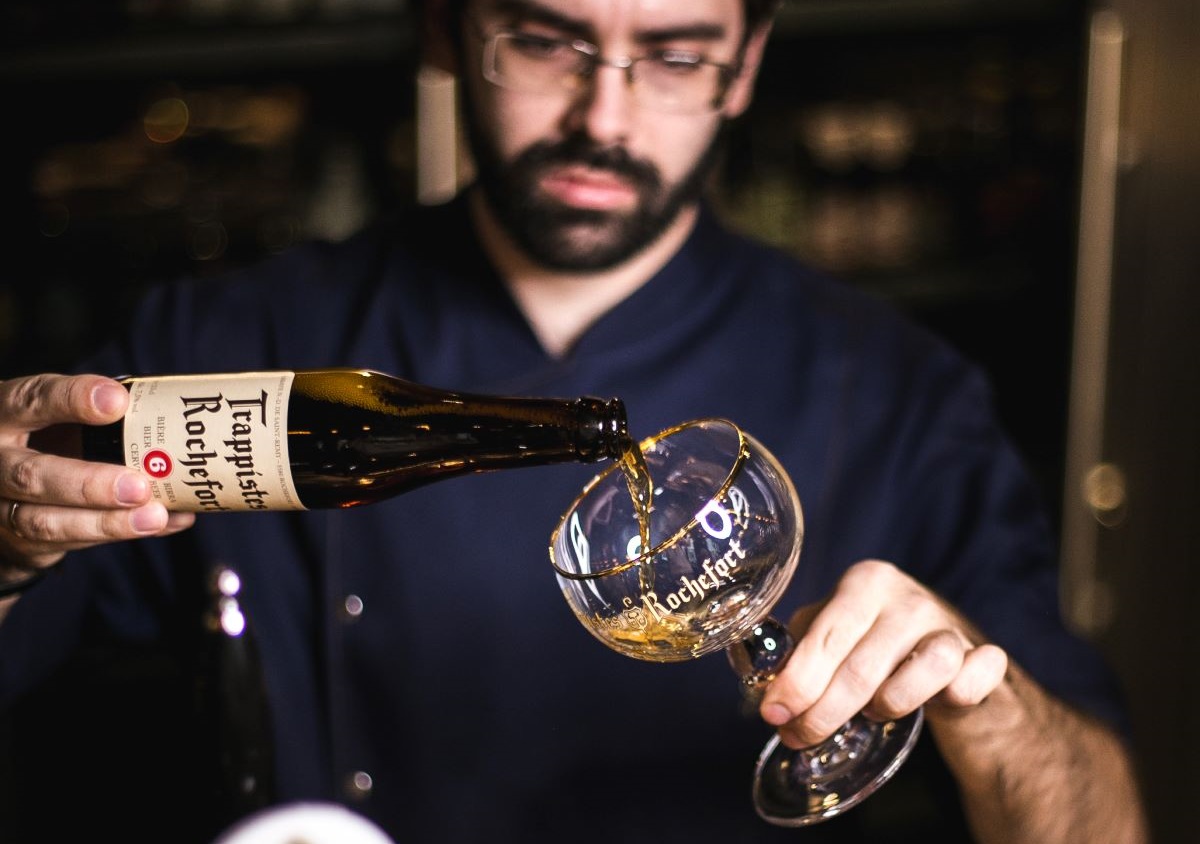
The pleasure of drinking beer is influenced by many factors: the right appetizer, optimal temperature, proper glassware—and most importantly, the way it’s poured. A well-poured beer enhances aroma, flavor, and presentation. In this article, we’ll show you how to pour beer to enjoy every sip from the start.
Is foam necessary?
Some beer lovers prefer their drink without foam, but professionals insist that a foam cap is essential. It’s part of the standard serving ritual and helps preserve aroma and freshness. Foam height varies by style, but for most beers, 2–3 cm is ideal.
Instructions for use
To achieve the perfect foam cap, follow this step-by-step method:
- Tilt the glass at a 45° angle.
- Hold the bottle about 3 cm from the rim.
- Pour so the beer flows down the side of the glass.
- When halfway full, straighten the glass and pour into the center.
- Stop when the foam rises slightly above the rim.
If the beer foams too much:
- Tilt the glass at 45°.
- Pour to the halfway mark.
- Wait for the foam to settle.
- Top up until the foam is level with the rim.
A few tips and tricks
- <strongTemperature — Warm beer foams excessively and loses flavor. Over-chilling dulls aroma. Ideal temperature: 8–10 °C; some ales can be served at 15–20 °C.
- — Residual detergent or dust can disrupt foam formation. Use a spotless glass and rinse it with water before pouring.
Want to taste beer served by the book—with perfect foam and flavor? Visit any beer restaurant in the Lambic chain! We offer hundreds of beers from around the world, delicious food, and a welcoming atmosphere. We’re waiting for you!


Chimay Red: A Unique Trappist Beer with Monastic Roots
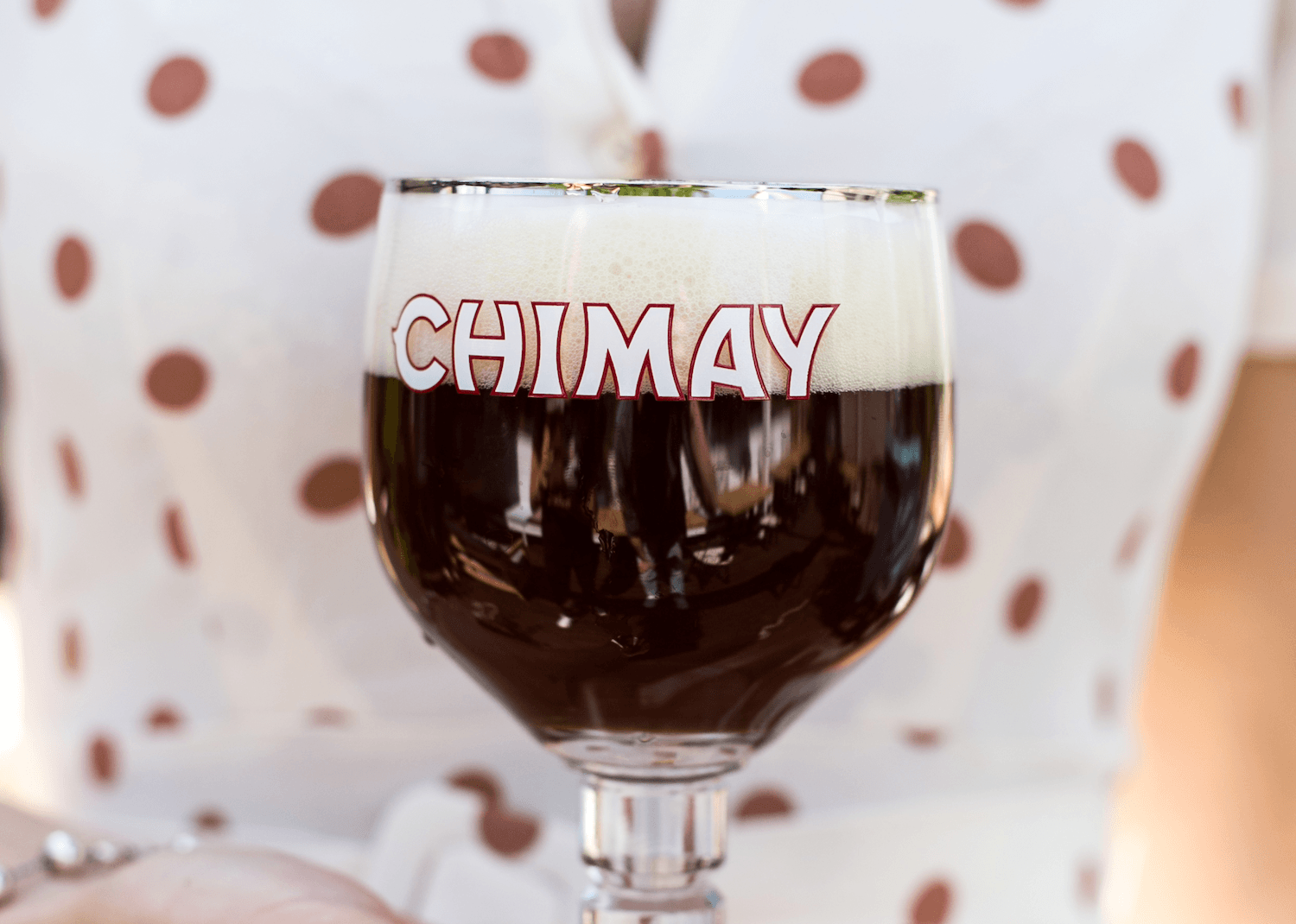
Contents Back to the Past: The Monks’ First Beer Taste Profile: Fruity Depth and Malt Softness Food Pairings: What to Serve It With Chimay Red — a legendary Belgian beer brewed under the supervision of Trappist monks at the Notre-Dame de Scourmont Abbey. The beer’s main strength is its rich, silky flavour, where pronounced sweetness intertwines with a slight bitterness and pleasant astringency. In this article, we will explore the history of Chimay Red, its distinctive taste characteristics, and how to pair it properly with food. Back to the Past: The Monks’ First Beer The history of Chimay Red began in 1862, when brewers at Scourmont Abbey first brewed this beer. At the time, it was called «Première», meaning «first». Production was later suspended, and after the Second World War, the beer was recreated according to a recipe by Father Theodore. Chimay Red was the starting point for the legendary range that later included the world-famous Chimay Blue and Chimay Triple. The beer is produced in accordance with strict rules that allow it to carry the status of an authentic Trappist beer. It is brewed on the monastery grounds under the supervision of the community, while the proceeds are used for charitable causes and the maintenance of the abbey. The beer is neither filtered nor pasteurised, but undergoes secondary fermentation in the bottle, which makes its flavour more intense and complex. Taste Profile: Fruity Depth and Malt Softness Chimay Red — a 7% dark ale with top fermentation. Its colour ranges from copper to deep ruby red, while the head is dense and cream-coloured. Fruit and berry notes intertwine in the flavour and aroma — strawberry, apricot, cherry and fig. The malt adds notes of nuts and caramel. You may also detect hints of liquorice, spices, and even subtle earthy or leathery notes characteristic of the Trappist style. The hop bitterness is present in the flavour, but it is soft and refreshing, helping to balance the sweetness of the malt. The finish is long and warming, leaving a pleasant caramel aftertaste. Food Pairings: What to Serve It With Chimay Red — a versatile beer: its rich yet soft flavour complements a wide range of dishes: Cheeses. Mature, buttery cheeses (Gouda, Brie) or piquant washed-rind cheeses are excellent choices. Those who like to experiment can try it with Gorgonzola or nutty cheeses. Meat and poultry. The beer makes an excellent pairing with poultry, braised meat or meat stews. It also pairs well with beef, pork and especially dishes served with tomato-based sauces. Desserts. Chocolate desserts and caramelised nuts are the best choices. To experience the unique character of Chimay Red for yourself, visit any Lambic beer restaurant — we will serve it according to all the proper traditions: at an optimal temperature of 10—12°C in a traditional glass. Our waiters will also help you choose the perfect appetiser to accompany it and recommend other interesting beers from our beer menu. We look forward to welcoming you!
29 September 2026
What Is Gastropairing in Simple Terms: How Food and Beer Complement Each Other
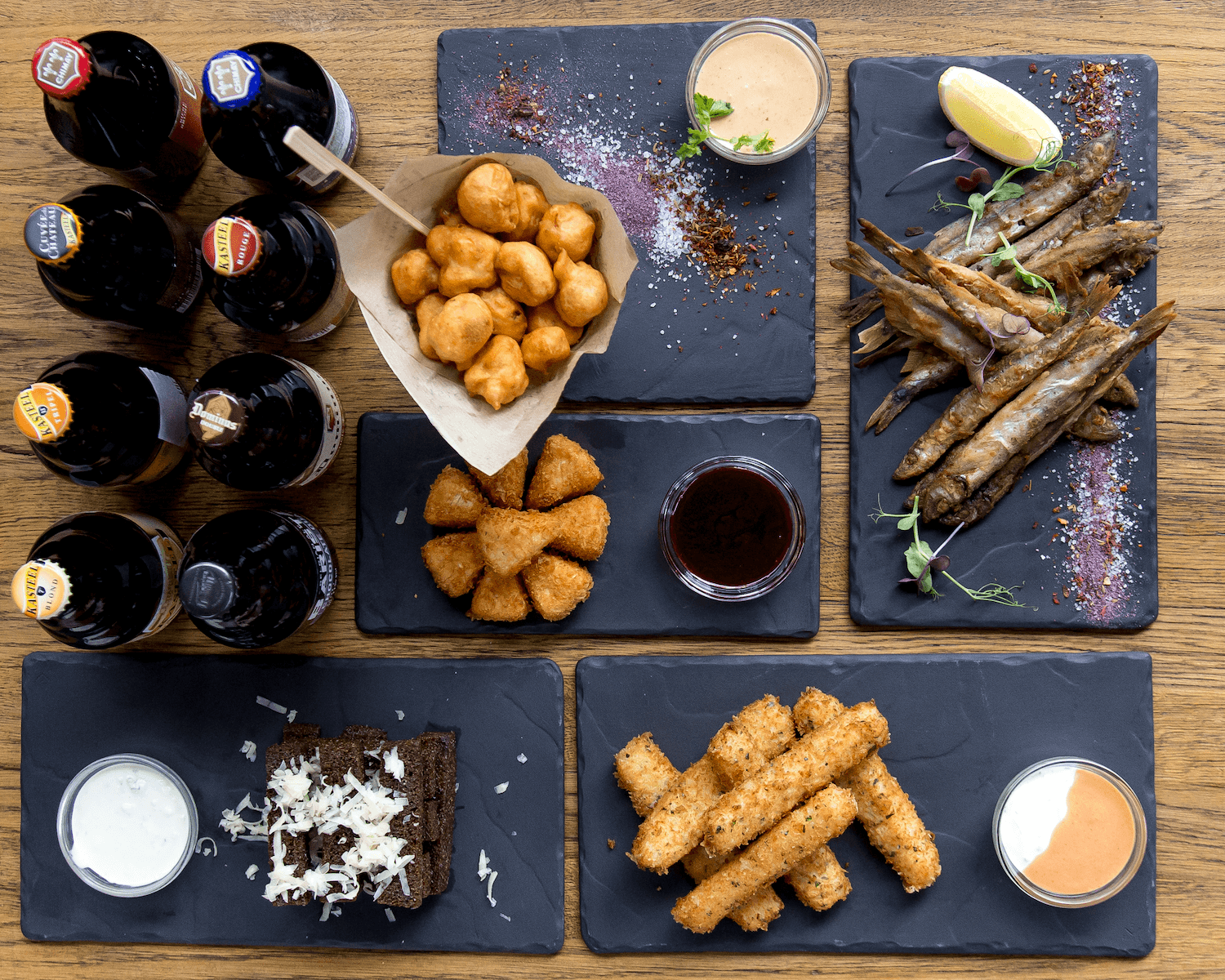
Contents What Does Gastropairing Mean? The Principle of Similar Flavours The Principle of Taste Contrast Why Beer Works Well with Complex Dishes Examples of Successful Pairings at the Restaurant In good restaurants, beer is served with more than just snacks — carefully considered food pairings are offered to complement it. The same dish can reveal completely different flavours when paired with different beers, while the beer itself can taste brighter and more interesting when combined with the right food. This is what gastropairing is all about — the art of matching drinks with food. In this article, we’ll explore what this concept means, the principles behind successful pairings, and why beer can work just as well as wine with complex dishes. What Does Gastropairing Mean? Gastropairing, or food pairing — in simple terms, means combining dishes and drinks in a way that allows their flavours to complement each other. The English term food pairing literally means «combining food». It is a whole system that takes into account the taste, aroma, texture and even the temperature of both the dish and the drink. At good beer restaurants such as Lambic, staff receive specialised training and can easily recommend the perfect pairing: choosing a beer for a specific dish or a snack for a particular drink. Gastropairing works according to two main principles: pairing similar flavours and pairing contrasting ones. Let’s look at both approaches. The Principle of Similar Flavours This principle is based on the idea that the dish and the drink share common flavour notes. For example, if a dish contains caramelised vegetables or a sweet sauce, a beer with caramel nuances will complement it well. If a dish contains a lot of citrus or herbs, it is worth choosing a beer with similar flavour notes. Examples of successful pairings based on similarity: — Spiced dishes pair well with beers that have spicy notes. For example, Belgian witbier with coriander and orange peel perfectly complements spicy dishes. — Smoked meat should be served with beer featuring smoky notes. A smoked porter will enhance the flavour of the meat and make it more intense. — Creamy sauces pair well with beer that has a creamy texture, such as stout. Its creamy notes echo the richness of the cream and make the dish more harmonious. The Principle of Taste Contrast The idea behind this approach is that the flavours do not match but complement each other through contrast. Contrast creates balance: the flavours of the dish can cut through, highlight or soften the nuances of the drink. The simplest example of contrast is pairing fatty food with an astringent or sour beer. The acidity and tannins in beer counteract the richness, refresh the palate and make the dish easier to enjoy. For example, sour lambic or a fruit ale is an ideal match for fatty meat. Another example of contrast is pairing spicy food with a light, sweet beer. Sweetness tones down the heat, while light carbonation refreshes the palate. That is why wheat beer or fruit ales are often served with spicy Asian cuisine. Why Beer Works Well with Complex Dishes Beer has three key advantages over other drinks when it comes to gastropairing: — Carbonation. The bubbles of carbon dioxide refresh the palate and cleanse the taste buds. Wine does not have the same ability. — A malty base. Even the lightest beer has a malt foundation that gives the drink bready or caramel notes. This makes beer an excellent complement to complex sauces, meat and baked goods. — Bitterness. Hop bitterness highlights the sweet and fatty components of a dish without overpowering them, instead complementing them. That is why beer restaurants such as Lambic often recommend beer with dishes that can be difficult to pair with wine: Asian appetisers, desserts and smoked foods. Beer does not clash with them; on the contrary, it creates an ideal balance. Examples of Successful Pairings at the Restaurant Here are a few pairings you can try at a Lambic beer restaurant: — Spicy aubergine in hot sauce with Belgian witbier. — Butcher’s steak with French fries and pepper sauce with Scottish stout. — Pork ribs in barbecue glaze with a dark ale featuring caramel notes. — Mediterranean-style salmon with courgette, potatoes and tomato sauce with olives and herbs, paired with Belgian pale beer. — Belgian waffle with strawberries, ice cream and hot chocolate with cherry lambic. For delicious food and beer — come to Lambic! Our beer restaurants offer hundreds of beers from around the world, as well as dishes that pair perfectly with them. Our experienced staff will help you choose a drink and recommend the perfect food pairing. Come and visit — you’re sure to enjoy it!
29 September 2026